

The 7 Cs of logistics are cost, customer, communication, coordination, credibility, compliance, and continuity. These make it simple to follow and understand logistics.
Shipping goods means more than taking a box from one place to another. You need a better way to keep ahead of other businesses today. You can use a simple transport function to help your business in new ways. Now we will show you the 7 C’s of logistics. This guide helps you save time. The guide also helps keep your customers happy.
People who work in the industry look at this guide in two ways. One way is to learn how to build good relationships with people who do not work at the company. The second view shows how the team works on the inside. If you know both ideas you can make a delivery network that handles anything new.
The difference between actions and outcomes
We will explain how the 7 C’s are not the same as the 7 R’s of logistics before we share the main ideas. The R’s mean you need to send the right product to the right place on time. The product must be in the right shape. The right amount of product needs to reach the right customer. The cost should also be right.
You can see the R’s. The R’s are the final scores. The C’s are the main plays that the team uses to win the game.
The main strategy for creating value
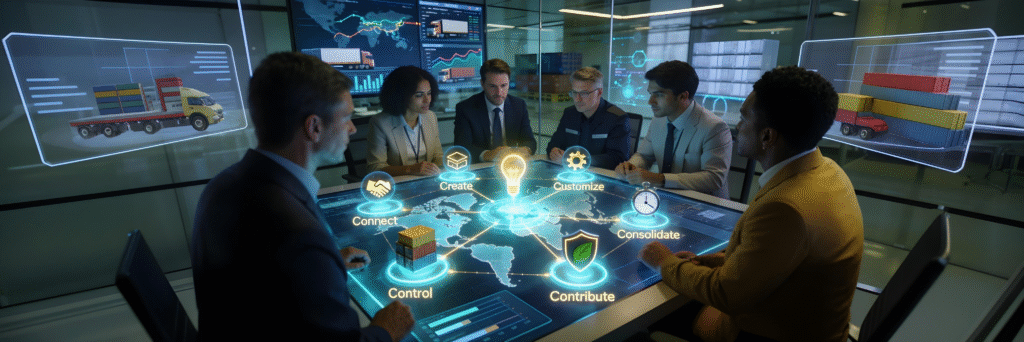
Many people in the industry say the main model has seven parts. The model helps people work together.
- Connect: Bring everyone in the supply chain together with digital tools. Smart devices and fast internet make it easy for you and your partners to share information.
- Create: You need to find new ways to deal with hard problems. Good teams check the data to find new answers and make sure things work well.
- Customize: Give something new a try. More people shop online now so you need to stay open to change. A simple plan that is the same for everyone does not work now. Smart logistics companies change delivery routes and packing ways to match what every buyer needs.
- Coordinate: You need to check the timing for each step so that everything lines up in the network. Good planning helps get products from the factory to the buyer.
- Consolidate: Bring your trucks and your data together to help you spend less money. When different orders go into one truck the business spends less on fuel. The truck needs to make fewer trips so it uses less gas. This can also save the driver time. Packing orders together is better for the business and for the environment. If you keep all the contracts and computer systems in one place you can keep the office budget the same.
- Collaborate and Control: Work with your partners. Trust your partners. Celebrate every win together. Share your resources with the team. Make a plan with the team before you start. Hold the steering wheel tight. Watch the shipments on the live map.
- Contribute: You help the planet and the people when you do things that are good for the environment. This means finding ways to travel that make less pollution and joining local projects to help the area.
The inside view of essential operations
This is what the main operations look like from the inside. The main model looks at other relationships and finds new ideas. You can see what you do at work each day. This practical side shows some things that matter.
- Working in a team
- Keeping the message easy to understand
- Looking after your money
- Following the rules
- Making good use of space
- Keeping the buyers happy
- Getting a little better every day
Both guides want to help with the same thing. The logistics firm does more than look after the costs. The logistics firm helps the company get noticed.
Using technology to make it happen
We use technology to finish our tasks. You need good tech to follow these seven steps. People use online shipping software and business planning tools to keep everything in one place. If you use these tools with machine learning you can spot problems before they start. This helps your logistics managers change routes fast and track each freight.
How to use this guide for your busines
You can try these ideas to see how your setup looks now. You might notice some gaps in the software or spot new ways to load the trucks. This can help the trucks hold more. If you follow these tips you can get more loyal customers from the daily shipping work.
You need a shipping partner who uses these ideas to make the supply chain better. You can contact Three Lines Shipping today. Custom shipping plans help you get your deliveries faster and help you save money. Let us show you how this works. We can help your company grow.