

Dubai is a very busy place for shipping. Jebel Ali Port handles more containers than anywhere else in the Middle East. This high volume gives you many choices but it also makes things confusing. You might struggle to find the right shipping method or understand the costs. This guide helps you look at your options for moving goods to Dubai.
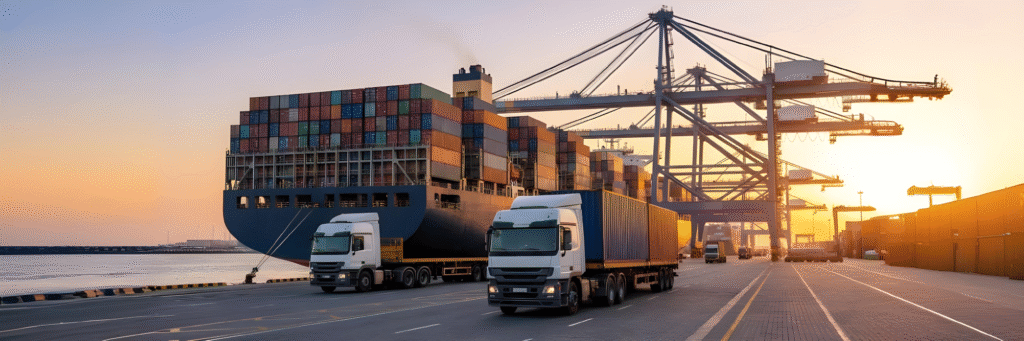
What are your options for shipping goods to Dubai?
Most goods enter through Jebel Ali Port. You can choose between ocean transport, air freight, or land shipping. A standard 20 foot container from the USA usually costs between $1,200 and $2,600. A larger 40 foot container often costs between $1,800 and $2,500. You will need documents like a commercial invoice and a packing list to get started.
- Ocean freight handles most of the heavy lifting
Ships carry the biggest share of commercial goods coming into Dubai. You can book an entire container for yourself if you have enough goods. You can also share a container with other shipments if you have less cargo. Jebel Ali Port processes almost all the traffic while Port Rashid mostly handles government goods. - Air freight gets your items there in days
Air freight is much faster than ocean shipping. The two major airports in Dubai connect to networks all over the world. The main difference is the price. Air shipping costs much more than sending goods by sea. Companies usually use air options for electronics or urgent samples. - Moving goods by road across the region
Trucks take over once your cargo clears customs in Dubai. You can hire a full truck for your shipment or just use part of the space. Trucks also bring goods across borders from neighbors like Saudi Arabia and Oman. This is often easier than moving goods through ports again.
Combining different ways to ship can save time
Sometimes you need to use more than one way to ship your goods. You might use a ship and a truck or a plane and a train. This approach works well if your goods start their journey far inland.
| Shipping Method | Best For | Typical Transit |
| Ocean Freight | Bulk goods and machinery | Weeks |
| Air Freight | Urgent and high value items | Days |
| Surface Transport | Regional distribution | Days |
| Multimodal | Complex movements | Days |
Understanding what you pay for shipping
Prices change based on a few different factors. Knowing these details helps you compare quotes.
- Weight matters a lot: Ocean prices look at actual weight but air prices look at how much space the box takes.
- Where it comes from: Shipping from the USA costs more than shipping from Asia because of the distance.
- The method you choose: Planes cost much more per kilogram than ships do.
- The type of cargo: Dangerous items or frozen goods cost extra to ship.
How we calculate rates for different methods?
Ocean prices depend on the size of the container and the market at that moment. Air carriers look at the weight and volume of your package. They charge for whichever is higher. Trucking rates change based on the type of vehicle you need. A refrigerated truck costs more than a standard flatbed.
How we calculate rates for different methods?
Ocean prices depend on the size of the container and the market at that moment. Air carriers look at the weight and volume of your package. They charge for whichever is higher. Trucking rates change based on the type of vehicle you need. A refrigerated truck costs more than a standard flatbed.
How long you will wait for your delivery?
The time it takes depends heavily on where the shipment starts. A ship from the US West Coast takes about a month or more. Shipments from Asia usually arrive in just a few weeks. Air freight is the fastest option and takes only a few days. You must remember that customs checks can add extra time to this schedule.
How long you will wait for your delivery?
- Classify your cargo and pick a method
You must know the international code for your goods first. This tells you about duty rates. Then you can decide if you need the speed of air freight or the value of ocean freight. - Ask for price quotes
You should get prices from a few different companies. Give them all the details like weight and size to get an accurate number. - Prepare the right paperwork
You need a commercial invoice that states the value of the goods. A packing list shows exactly what is in the box. You also need a document proving where the goods were made. - Pack your items well
Good packing stops your items from breaking. Strong crates protect fragile things. Clear labels help the team at the destination process everything smoothly. - Track your shipment
Most companies let you see where your goods are. Watching your shipment helps you prepare for its arrival.
Rules you must follow for customs clearance
You need the right documents to clear customs in the UAE.
- Commercial invoice: The values must be correct to avoid fines
- Packing list: This must match the invoice exactly.
- Certificate of origin: This proves where your goods came from.
- Import permit: You need this for special goods like food or medicine.
Most imported goods have a 5% duty and a 5% tax. Zones like the Jebel Ali Free Zone allow you to store goods without paying these fees immediately. A licensed broker handles the system for you to avoid delays.
Where we can deliver your cargo in the region?
Dubai connects the whole Gulf region.
Extra services that make shipping easier
Handling large or dangerous items requires care
Some items are too big or risky for standard shipping.
Why the right freight forwarding partner makes a difference?
A partner with local offices solves problems faster than one working from far away. They know the customs officers and the local roads.
At Three Lines Shipping, we have been working in this region since 2001. We have teams in the UAE and all across the Gulf. We handle everything from paperwork to the final delivery so you can focus on your business.